Why I Beat Premature Aging — My Systematic Health Reset That Actually Works
You’re not imagining it—aging faster than you should is real, and it’s not just about wrinkles. Inside, your cells are responding to lifestyle choices every single day. I used to feel tired, look dull, and age ahead of time—until I shifted to a systematic approach focused on long-term health maintenance. This isn’t about quick fixes. It’s about sustainable, science-backed habits that support your body from within. Let me show you what truly made a difference.
The Wake-Up Call: Recognizing Early Signs of Accelerated Aging
For years, I dismissed fatigue as a normal part of getting older. I chalked up dry skin, thinning hair, and the constant brain fog to the natural passage of time. But when I found myself needing two cups of coffee just to get through the morning and forgetting simple tasks like where I left my keys, I knew something was wrong. I wasn’t just tired—I was aging faster than my years suggested. It wasn’t until I visited a functional medicine practitioner that I learned about biological age versus chronological age. Chronological age is simply the number of years you’ve lived. Biological age, however, reflects how well your cells, organs, and systems are functioning. Some people in their 40s have the internal health of someone in their 50s, while others in their 50s function like they’re 40. The difference lies in daily habits.
Modern life, with its constant demands, processed foods, and digital overload, quietly accelerates cellular aging. Chronic stress, poor sleep, and inactivity trigger inflammation and oxidative stress—two key drivers of premature aging. These processes damage DNA, shorten telomeres (the protective caps on the ends of chromosomes), and impair mitochondrial function. Mitochondria are the energy factories within cells, and when they weaken, so does the entire body. The result? Low energy, slower recovery, dull skin, and a weakened immune system. The signs are subtle at first, but over time, they compound. Recognizing these early signals was my turning point. I realized I wasn’t just aging—I was aging poorly, and I had the power to change it.
Understanding the distinction between chronological and biological age was empowering. It meant that while I couldn’t stop time, I could influence how my body experienced it. Research from institutions like the Buck Institute for Research on Aging and the Mayo Clinic has shown that lifestyle interventions can slow, and in some cases even reverse, markers of biological aging. This isn’t science fiction—it’s science. The body is remarkably resilient when given the right support. The first step was acknowledging that my symptoms weren’t inevitable. They were signals. And once I started listening, I began to see aging not as a countdown, but as a process I could actively shape.
Mindset Shift: From Quick Fixes to Systematic Health Maintenance
Like many women in their 30s and 40s, I had tried every shortcut imaginable. I bought expensive serums promising to erase fine lines, took antioxidant supplements by the handful, and even experimented with intermittent fasting for rapid results. But none of it brought lasting change. The truth is, no cream or pill can override the effects of poor sleep, chronic stress, or a diet high in processed foods. These quick fixes may offer temporary improvements, but they don’t address the root causes of aging. What I needed wasn’t a miracle solution—it was a mindset shift. Instead of chasing instant results, I began to focus on consistency, balance, and long-term health maintenance.
Health is not an emergency response. It’s a daily practice. Just as brushing your teeth every day prevents cavities, small, consistent habits protect your body from the wear and tear of time. The power lies not in intensity, but in repetition. A single hour-long workout won’t transform your health, but walking daily, eating balanced meals, and managing stress over months and years will. This shift in thinking was liberating. I no longer felt pressured to do everything perfectly. Instead, I focused on showing up for myself in small, meaningful ways. I stopped seeing health as a destination and started seeing it as a journey—one that required patience, self-compassion, and a willingness to adapt.
Systematic health maintenance means building a foundation that supports every system in the body. It’s not about deprivation or extreme measures. It’s about creating a lifestyle that nourishes you physically, mentally, and emotionally. When I stopped chasing quick fixes and started investing in sustainable habits, I noticed changes I hadn’t expected—not just in how I looked, but in how I felt. My energy stabilized. My mood improved. My skin regained its glow. These weren’t overnight miracles. They were the quiet, cumulative results of daily care. And that’s what real anti-aging looks like: not a dramatic transformation, but a steady return to vitality.
Pillar One: Nutrition That Fights Cellular Decline
Diet is one of the most powerful tools we have for slowing cellular aging. What we eat directly influences inflammation, oxidative stress, and mitochondrial health. I learned that the goal wasn’t to follow a rigid diet, but to choose foods that support longevity. Whole, unprocessed foods—especially colorful vegetables, fruits, legumes, nuts, seeds, and healthy fats—provide the antioxidants, fiber, and phytonutrients that protect cells. These foods neutralize free radicals, reduce inflammation, and support DNA repair. I began to focus on eating for mitochondrial health, knowing that strong mitochondria mean more energy and better cellular function.
One of the most impactful changes I made was reducing inflammatory triggers. Processed sugars, refined grains, and industrial seed oils (like soybean and corn oil) promote chronic inflammation, which accelerates aging. I replaced sugary snacks with whole fruits and nuts, switched from white bread to whole grain or sprouted options, and started using olive oil and avocado oil for cooking. I also increased my intake of omega-3 fatty acids from fatty fish, flaxseeds, and walnuts. These healthy fats support brain health, reduce inflammation, and improve skin elasticity. I didn’t eliminate anything completely—I simply shifted the balance toward more nourishing choices.
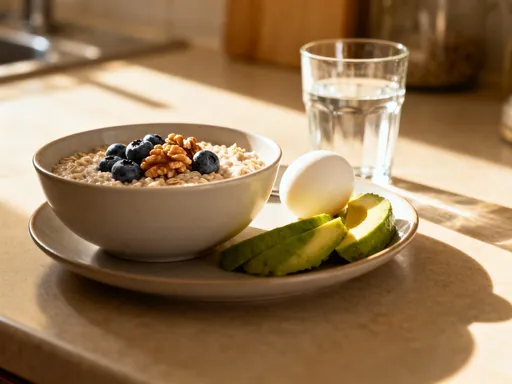
Meal patterns also mattered. Instead of skipping breakfast or eating late at night, I adopted a more consistent eating rhythm. I started with a protein-rich breakfast—like eggs with vegetables or Greek yogurt with berries—to stabilize blood sugar. I included fiber and healthy fats in every meal to stay full and energized. I avoided large, heavy dinners and stopped eating at least three hours before bed. This simple change improved my digestion and sleep. I didn’t follow any specific diet plan. Instead, I focused on variety, balance, and mindfulness. Over time, my body responded. My skin became clearer, my digestion improved, and my energy levels evened out. Nutrition wasn’t about restriction—it was about giving my body the building blocks it needed to thrive.
Pillar Two: Movement as Daily Medicine
Sedentary living is one of the most underrecognized accelerators of aging. Sitting for long periods slows circulation, weakens muscles, and impairs metabolic health. Research shows that prolonged inactivity can shorten telomeres and increase the risk of chronic disease. I realized that even if I exercised for 30 minutes a day, sitting for the rest of the day was still taking a toll. So, I redefined what movement meant. It wasn’t just about gym sessions or intense workouts—it was about staying active throughout the day. I began to see movement as daily medicine, essential for circulation, joint health, and cellular renewal.
I built a balanced routine that included strength training, mobility work, and low-intensity cardio. Strength training, even with light weights or resistance bands, helps preserve muscle mass, which naturally declines with age. It also supports bone density and metabolic rate. I started with two short sessions per week, focusing on major muscle groups. Mobility exercises—like gentle stretching, yoga, or tai chi—improved my flexibility and reduced stiffness. These practices also calmed my nervous system, making them a form of stress relief as much as physical care. For cardio, I chose activities I enjoyed: brisk walking, dancing at home, or cycling on weekends. The key was consistency, not intensity.
Fitting movement into a busy schedule was a challenge at first, but I found simple ways to integrate it. I took walking meetings when possible, parked farther from store entrances, and did mini-stretching breaks every hour. I used a standing desk for part of the day and set reminders to move every 30 minutes. My children joined me for family walks after dinner, turning exercise into quality time. These small actions added up. Within weeks, I noticed better posture, improved mood, and less joint discomfort. Movement wasn’t a chore—it became a form of self-care. And the more I moved, the more energy I had. It was a positive cycle that reinforced itself.
Pillar Three: Sleep and Recovery as Non-Negotiables
Sleep is when the body repairs itself. During deep sleep, cells undergo DNA repair, the brain clears out metabolic waste, and hormones are rebalanced. Poor sleep disrupts cortisol, insulin, and melatonin levels—all of which influence aging. I used to sacrifice sleep to finish tasks or scroll through my phone, not realizing I was undermining my health. Chronic sleep deprivation increases inflammation, weakens immunity, and accelerates skin aging. When I finally prioritized rest, the changes were profound. I stopped viewing sleep as a luxury and started treating it as a non-negotiable pillar of health.
Common habits were sabotaging my rest. Late-night screen time suppressed melatonin, the hormone that regulates sleep. Eating heavy meals or consuming caffeine too close to bedtime disrupted digestion and alertness. Stress and unresolved worries kept my mind racing at night. I began to address these one by one. I set a digital curfew, turning off screens at least an hour before bed. I switched to reading or light stretching in the evening. I avoided caffeine after 2 p.m. and limited alcohol, which may help you fall asleep but reduces sleep quality. I also created a calming bedtime routine: dimming the lights, sipping herbal tea, and writing down thoughts to clear my mind.
My sleep environment also needed attention. I invested in blackout curtains, a comfortable mattress, and a cool room temperature—around 65°F (18°C)—which is ideal for deep sleep. I used a white noise machine to block outside sounds. Within a few weeks, I was falling asleep faster and waking up more refreshed. My skin looked more radiant, my focus sharpened, and my mood stabilized. I realized that recovery wasn’t passive—it was an active part of my health system. Rest days, naps when needed, and even moments of stillness during the day became part of my routine. By honoring my body’s need for rest, I gave it the space to heal and renew.
Pillar Four: Managing Stress Before It Manages You
Chronic stress is a silent accelerant of aging. When stress becomes constant, the body remains in a state of high alert, flooding the system with cortisol and adrenaline. Over time, this leads to inflammation, weakened immunity, and telomere shortening. I didn’t realize how much stress was affecting me until I started tracking my habits. I was juggling work, family, and household responsibilities, always on high alert. My shoulders were tense, my sleep was shallow, and I felt emotionally drained. I thought I was coping—but I was actually deteriorating.
Reducing stress wasn’t about eliminating responsibilities. It was about building resilience. I started with simple breathing techniques—like box breathing (inhale for four counts, hold for four, exhale for four, hold for four)—which calms the nervous system in minutes. I practiced mindfulness, not as a formal meditation, but as moments of presence: feeling my feet on the ground, noticing my breath, or savoring a cup of tea. These micro-practices helped me stay grounded. I also made time to spend in nature—walking in a park, gardening, or sitting under a tree. Nature has a proven calming effect on the brain and body, lowering cortisol and improving mood.
Emotional resilience became part of my anti-aging strategy. I learned to set boundaries, say no when needed, and ask for help. I prioritized activities that brought me joy—reading, listening to music, or spending time with loved ones. I also sought support when I felt overwhelmed, whether through conversations with friends or professional counseling. These choices weren’t selfish—they were essential. By managing stress, I protected my cells, my mind, and my spirit. I realized that true health includes emotional well-being. And when I felt more at peace, I looked more at peace too. My face softened, my eyes brightened, and I carried myself with more ease.
Putting It All Together: Building Your Own Sustainable System
Implementing all these changes at once would have been overwhelming. Instead, I started small. I picked one habit at a time—first improving my sleep, then adding daily walks, then adjusting my diet. I focused on consistency, not perfection. Some days were better than others, and that was okay. The goal wasn’t to be flawless, but to be persistent. Over time, these small actions layered into a sustainable system. I tracked subtle improvements: more energy in the afternoon, fewer afternoon cravings, clearer skin, better focus. These weren’t dramatic changes, but they were real and lasting.
Building a personalized health system means listening to your body and adapting as needed. What works for one person may not work for another. The key is to find practices that fit your life and feel nourishing, not burdensome. I learned to celebrate small wins—a good night’s sleep, a healthy meal, a moment of calm—and to be kind when I slipped up. Health is not a punishment. It’s a form of self-respect. Every choice to move, eat well, rest, or manage stress is a quiet affirmation that you matter.
Long-term health is not about dramatic transformations. It’s about daily commitment. It’s choosing water over soda, walking instead of driving, resting instead of pushing. These choices may seem small, but their effects compound over time. I no longer feel like I’m fighting aging. I feel like I’m supporting my body to age well. And that makes all the difference. True anti-aging isn’t about turning back time—it’s about upgrading how you live in the present. By adopting a systematic, whole-body approach to health maintenance, you give your body the daily support it needs to stay strong, vibrant, and resilient. These changes aren’t flashy, but their effects compound. It’s never too early—or too late—to start treating your health like the lifelong foundation it really is.