How I Kicked Smoking and Tamed My Drinking — One Real Meal at a Time
Quitting smoking and cutting back on alcohol isn’t just about willpower — it’s about rewiring your daily routine, especially what’s on your plate. I learned this the hard way. After years of cravings and false starts, I discovered that food choices directly influenced my urges. What changed? Simple, science-backed tweaks to my diet that stabilized my mood, reduced cravings, and gave me back control — not perfection, but real progress. It wasn’t a dramatic overhaul, but a series of thoughtful, sustainable shifts that supported my body through withdrawal, calmed my mind, and quietly made the unhealthy habits feel less urgent. This is how food became my silent partner in recovery.
The Hidden Link Between Diet and Addiction Triggers
Many people believe that quitting smoking or reducing alcohol is purely a battle of self-control. But science shows that what you eat plays a powerful role in shaping your cravings. Processed foods, refined sugars, and meals lacking in nutrients can destabilize blood sugar, disrupt brain chemistry, and leave the body more vulnerable to addictive impulses. When blood sugar spikes and crashes, it triggers mood swings, fatigue, and irritability — symptoms that closely mirror nicotine withdrawal or the urge to drink. In those moments, the brain seeks quick relief, often turning to familiar crutches like a cigarette after dessert or a glass of wine when energy dips.
The gut-brain connection further deepens this relationship. The digestive system produces a significant portion of the body’s serotonin, the neurotransmitter linked to mood and emotional stability. A diet high in sugar and low in fiber damages the gut microbiome, weakening this production and increasing anxiety and low mood — conditions that make quitting smoking or limiting alcohol far more difficult. For years, I didn’t realize that my late-afternoon cigarette wasn’t just a habit; it often followed a lunch of white bread and sugary soda, which sent my blood sugar soaring and then plummeting. That crash wasn’t just physical — it triggered a mental fog and restlessness that felt like a craving, even when I wasn’t truly addicted in that moment.
Similarly, skipping meals or relying on convenience snacks sets the stage for emotional eating and substance use. When the body is deprived of steady fuel, it enters a state of stress. Cortisol, the stress hormone, rises, and the brain begins to seek dopamine — the feel-good chemical — from any available source. Nicotine and alcohol are fast and potent dopamine boosters, which is why they become so tempting when nutrition is neglected. By understanding this cycle, I began to see my cravings not as personal failures, but as signals — my body asking for real nourishment, not punishment. Addressing the root cause through diet didn’t erase the challenge, but it made it far more manageable.
Why Willpower Alone Fails (And What Actually Works)
Willpower is often praised as the ultimate tool for change, but it’s a limited resource, especially when the body is under physical stress. Trying to quit smoking or cut down on alcohol while eating poorly is like running a marathon without training. Withdrawal symptoms such as anxiety, restlessness, low energy, and difficulty concentrating are real and uncomfortable. When these symptoms are intensified by poor nutrition — such as a lack of essential vitamins, unstable blood sugar, or dehydration — the mental burden becomes overwhelming. The brain, already struggling to adapt, reaches for the quickest relief, and old habits win.
Nutrition is not a side note in recovery — it is foundational. Research shows that deficiencies in key nutrients like B vitamins, magnesium, and omega-3 fatty acids are linked to increased anxiety, depression, and impulsivity — all of which can derail efforts to quit smoking or reduce drinking. For example, B vitamins are crucial for nerve function and energy production. When they’re lacking, fatigue sets in, making a cigarette or a drink seem like a necessary boost. Magnesium supports muscle and nerve relaxation; low levels can increase tension and irritability. Omega-3s help maintain brain cell structure and reduce inflammation, supporting emotional balance.
What actually works is supporting the body with what it needs to heal. Instead of relying solely on discipline, I shifted my focus to nourishment. I began treating my body with care, not judgment. This didn’t mean perfection — it meant choosing whole foods more often, drinking water regularly, and eating balanced meals. Over time, I noticed a shift. The sharp edges of withdrawal softened. My mind felt clearer. I wasn’t fighting myself as much. This wasn’t magic; it was physiology. When the body is well-fed and stable, the mind follows. Willpower didn’t disappear — it just didn’t have to do all the work anymore.
The Craving-Crushing Plate: Building Balanced Meals
A balanced meal is more than just fuel — it’s a tool for emotional regulation and craving control. The key is combining lean protein, complex carbohydrates, healthy fats, and fiber in every meal. Each of these components plays a role in stabilizing blood sugar, supporting brain chemistry, and keeping you full and satisfied. When blood sugar remains steady, energy levels stay consistent, and mood swings are minimized — making it easier to resist the pull of a cigarette or a drink.
Lean protein, such as eggs, chicken, fish, tofu, or Greek yogurt, provides amino acids that are building blocks for neurotransmitters like dopamine and serotonin. These chemicals influence mood, motivation, and impulse control. Without enough protein, the brain struggles to maintain emotional balance, increasing vulnerability to cravings. Complex carbohydrates — like oats, quinoa, sweet potatoes, and brown rice — release glucose slowly, preventing the spikes and crashes that trigger irritability and fatigue. Unlike refined carbs, which cause rapid blood sugar changes, complex carbs provide sustained energy and support gut health.
Healthy fats, such as those found in avocados, nuts, seeds, and olive oil, are essential for brain function. The brain is made largely of fat, and it needs a steady supply of quality fats to operate efficiently. Omega-3 fatty acids, in particular, have been shown to reduce inflammation and support mental clarity. Fiber, found in vegetables, fruits, legumes, and whole grains, slows digestion and helps regulate blood sugar. It also feeds the beneficial bacteria in the gut, which, as mentioned, play a role in mood regulation.
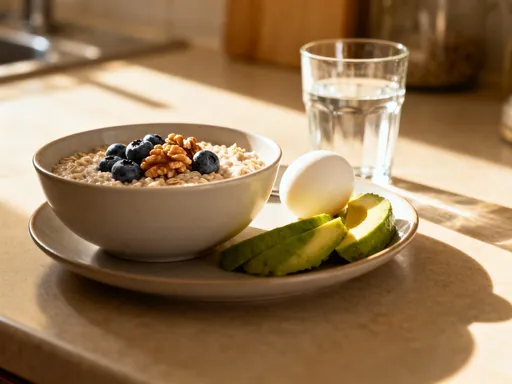
One of my go-to meals became avocado toast on whole grain bread with a poached egg and a side of spinach. This combination delivers protein, healthy fats, complex carbs, and fiber — all in one simple, satisfying dish. Another favorite was grilled salmon with roasted sweet potatoes and steamed broccoli. These meals didn’t just taste good — they made me feel stable, alert, and in control. Over time, I noticed that on days I ate this way, the urge to smoke or drink was quieter, almost background noise. Food became a form of self-care, not just survival.
Foods That Quiet the Urge: Nature’s Anti-Craving Toolkit
Certain foods have unique properties that directly support the brain and nervous system during recovery. Incorporating these into daily meals can make a measurable difference in mood, stress levels, and impulse control. These are not miracle cures, but powerful allies when used consistently.
Walnuts are rich in omega-3 fatty acids, particularly alpha-linolenic acid (ALA), which supports brain health and reduces inflammation. Studies have linked higher omega-3 intake with lower levels of anxiety and improved cognitive function. I started adding a small handful of walnuts to my morning oatmeal or yogurt, and within a few weeks, I noticed a subtle but real shift in my mental resilience. I was less reactive to stress and less likely to reach for a cigarette when frustrated.
Spinach and other leafy greens are excellent sources of magnesium, a mineral often called nature’s tranquilizer. Magnesium helps regulate the nervous system and supports muscle relaxation. Many people are mildly deficient in magnesium, especially under stress, which can contribute to anxiety, insomnia, and muscle tension — all of which increase the risk of relapse. I began including spinach in smoothies, salads, and sautéed dishes, and found that my sleep improved and my overall sense of calm deepened.
Fermented foods like plain yogurt, kefir, sauerkraut, and kimchi support gut health by introducing beneficial bacteria. A balanced gut microbiome is linked to better mood regulation and reduced inflammation. I started with a small serving of plain yogurt each day, gradually increasing my intake of fermented foods. Over time, I noticed fewer mood swings and a greater sense of emotional stability. Chia seeds, another staple in my diet, provide fiber, protein, and omega-3s. When soaked in water or milk, they form a gel that slows digestion and helps maintain steady blood sugar. I added them to smoothies, oatmeal, and baked goods, appreciating their versatility and quiet impact.
These foods didn’t eliminate cravings overnight, but they created a foundation of resilience. Each choice was a small act of support for my body, a way of saying, “I’m here for you.” Over time, that support added up, making the journey less about fighting urges and more about nurturing well-being.
Hydration and Cravings: The Overlooked Game-Changer
Dehydration is a silent trigger for cravings. The symptoms of mild dehydration — fatigue, headache, irritability, and difficulty concentrating — are nearly identical to those of nicotine withdrawal or alcohol cravings. The brain often misinterprets thirst as a need for a substance, leading to unnecessary smoking or drinking. For years, I didn’t realize that my evening urge for a glass of wine was sometimes just my body asking for water after a long day with too little fluid.
Staying consistently hydrated helps the body and brain function at their best. Water is essential for every metabolic process, including the breakdown of toxins during nicotine withdrawal and the regulation of mood-related chemicals. When the body is well-hydrated, it’s better equipped to manage stress, maintain energy, and resist impulsive behaviors. I began carrying a reusable water bottle and set reminders to drink throughout the day. I also incorporated herbal teas like chamomile and peppermint, which are naturally caffeine-free and soothing. Infused water — with lemon, cucumber, or berries — made hydration more enjoyable and helped me drink more without thinking about it.
Timing matters, too. I made it a habit to drink a full glass of water first thing in the morning, before coffee, to kickstart hydration. I also drank water before meals and whenever I felt a craving arise. Often, the urge would fade within 10 to 15 minutes — not because I resisted it, but because I addressed the real need. Hydration became a simple, powerful tool in my daily routine, one that cost nothing and yielded significant results. It didn’t replace other efforts, but it amplified them, making every other healthy choice more effective.
Meal Timing Matters: Stabilizing Mood Through Rhythm
When it comes to managing cravings, not just what you eat, but when you eat, matters deeply. Skipping meals, especially breakfast, or going long hours without food can cause blood sugar to drop, leading to fatigue, irritability, and poor decision-making. These are the exact conditions that make smoking or drinking feel tempting. I used to skip breakfast regularly, thinking it saved time or calories, but by mid-morning, I was shaky, unfocused, and more likely to reach for a cigarette or a sugary snack.
Establishing a consistent eating rhythm transformed this pattern. Eating every 3 to 4 hours — whether a full meal or a balanced snack — kept my blood sugar stable and my mood even. Breakfast became non-negotiable. A simple meal of scrambled eggs with vegetables or oatmeal with nuts and fruit gave me steady energy and reduced the urge to self-medicate with nicotine or alcohol later in the day. I also added a mid-morning and mid-afternoon snack, such as apple slices with almond butter or Greek yogurt with chia seeds, to prevent energy dips.
One of the most helpful changes was planning ahead. I prepared snacks the night before and kept them visible and accessible. This reduced the temptation to grab something quick and unhealthy when hunger struck. Over time, this rhythm became automatic. My body learned to expect nourishment, and my mind followed. The constant background noise of hunger and fatigue quieted, and with it, the urgency of cravings. Structure didn’t feel restrictive — it felt freeing. Knowing I had fuel coming made it easier to say no to old habits.
Putting It All Together: A Real-Life, Flexible Plan
There is no one-size-fits-all solution, but there is a framework that works: eat balanced meals, include anti-craving foods, stay hydrated, and maintain consistent timing. Progress, not perfection, is the goal. I didn’t transform overnight, and I still have days when I fall short. But the overall direction matters more than any single misstep. What helped me most was flexibility — allowing myself to adapt based on how I felt, what was available, and what I truly needed.
A typical day in my current routine starts with a glass of water, followed by breakfast within an hour of waking. I aim for protein, complex carbs, and healthy fats — for example, a smoothie with spinach, banana, protein powder, chia seeds, and almond milk. Lunch is often a large salad with grilled chicken, quinoa, avocado, and olive oil dressing, or a bowl of lentil soup with whole grain bread. Dinner is similar in balance, with an emphasis on vegetables and lean protein. Snacks are simple: a handful of nuts, a piece of fruit with nut butter, or yogurt with berries.
I still enjoy an occasional glass of wine, but now it’s a choice, not a compulsion. I don’t smoke at all, and the thought of it no longer pulls at me the way it once did. The change didn’t come from deprivation, but from nourishment. Food didn’t fix everything — but it gave me the strength to fix things myself. I learned to listen to my body, to treat it with kindness, and to understand that healing is not a battle, but a process of rebuilding.
This journey taught me that true change is not about willpower alone, but about creating the right conditions for success. When the body is well-fed, hydrated, and supported, the mind follows. Cravings lose their power not because they’re suppressed, but because they’re no longer needed. I didn’t just quit smoking or reduce drinking — I reclaimed my energy, my clarity, and my sense of self. And it all began with one real meal at a time.