What If Aging Wasn’t the Enemy? My Real Talk on Staying Strong and Preventing Illness
They say growing older is inevitable, but feeling old doesn’t have to be. I used to think wrinkles and low energy were just part of the deal—until I started noticing real changes. Turns out, how we age isn’t just luck. Small, daily choices shape our long-term health. This isn’t about chasing youth; it’s about staying strong, sharp, and illness-free. Here’s what actually works. Science now shows that aging well isn’t about genetics alone—lifestyle plays a far greater role than once believed. The good news? It’s never too late to shift direction and support your body’s natural ability to stay resilient.
The Myth of “Normal” Aging
For decades, society has accepted fatigue, memory fog, joint stiffness, and slower recovery as standard parts of growing older. But modern research reveals a different truth: these symptoms are not normal—they are signs of accelerated biological aging. Chronological age, the number of years you’ve lived, cannot be changed. However, biological age, which reflects how well your cells and systems are functioning, can be influenced by daily habits. Two people the same age can have vastly different biological ages based on their lifestyle choices. This distinction is powerful because it puts control back in your hands.
Biological aging is measured by markers such as telomere length, inflammation levels, metabolic health, and mitochondrial function. Telomeres, the protective caps at the ends of your chromosomes, shorten with each cell division. When they become too short, cells can no longer divide and become dysfunctional—a process linked to aging and disease. However, studies show that people who maintain healthy lifestyles tend to have longer telomeres, suggesting their cells are aging more slowly. This isn’t magic; it’s the result of consistent, small choices that support cellular repair and reduce damage.
The belief that decline is inevitable can become a self-fulfilling prophecy. When people assume they’ll naturally lose strength, energy, or mental sharpness, they may stop moving, withdraw from social connections, or neglect nutrition—actions that actually speed up the decline they fear. But the opposite is also true: when individuals understand that vitality can be preserved, they are more likely to take steps that support long-term health. Recognizing that aging doesn’t have to mean suffering is the first, crucial shift in mindset. It opens the door to prevention rather than resignation.
Inflammation: The Silent Accelerator of Aging
One of the most significant drivers of biological aging is chronic, low-grade inflammation. Unlike acute inflammation, which is a necessary and visible response to injury or infection, chronic inflammation operates silently in the background, damaging tissues over time. It’s now recognized as a common thread in nearly all age-related conditions, including heart disease, type 2 diabetes, arthritis, and cognitive decline. The troubling part? Many people have no idea they’re experiencing it because symptoms are subtle—persistent fatigue, brain fog, frequent colds, or joint discomfort are often dismissed as “just part of getting older.”
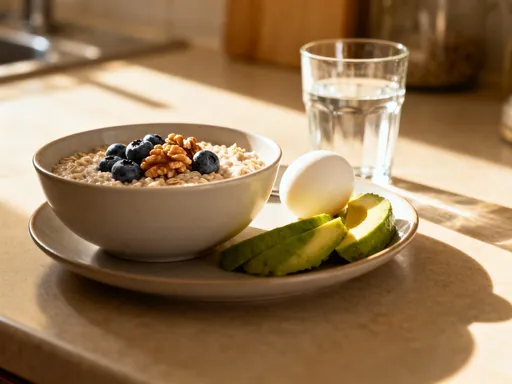
Diet plays a major role in fueling or calming inflammation. Processed foods high in refined sugars, trans fats, and artificial ingredients trigger inflammatory responses in the body. These foods spike blood sugar and insulin levels, activate immune cells unnecessarily, and damage the lining of blood vessels. In contrast, whole, plant-based foods rich in antioxidants, fiber, and healthy fats help neutralize free radicals and support the body’s natural anti-inflammatory processes. Omega-3 fatty acids, found in fatty fish, flaxseeds, and walnuts, are particularly effective at reducing inflammatory markers.
Lifestyle factors beyond diet also contribute. Poor sleep, chronic stress, and a sedentary routine all promote inflammation. When the body is under constant stress, it releases cortisol and other hormones that, over time, keep the immune system in a heightened state. This ongoing activation leads to tissue damage and increases the risk of chronic disease. The good news is that inflammation is modifiable. Simple changes—like swapping sugary snacks for whole fruits, adding daily walks, or practicing relaxation techniques—can significantly reduce inflammatory load.
While blood tests can measure specific markers like C-reactive protein (CRP), most people don’t need lab results to know if inflammation is present. Paying attention to how you feel day to day—your energy levels, recovery after activity, and mental clarity—can serve as a personal dashboard. If you feel consistently sluggish, take longer to heal from minor injuries, or notice your joints stiffen after sitting, these are clues that your body may be fighting a hidden fire. Addressing these signs early, through lifestyle adjustments, is far more effective than waiting for a diagnosis.
Movement That Matters—Beyond the Gym
Physical activity is one of the most powerful tools for healthy aging, yet many people associate it only with structured workouts or gym routines. The truth is, regular, natural movement throughout the day has a greater impact on long-term health than occasional intense exercise. The goal isn’t to become an athlete but to maintain strength, balance, and mobility—qualities that preserve independence and prevent falls, a leading cause of injury in older adults. Muscle mass naturally declines with age, a process called sarcopenia, but it can be significantly slowed through consistent use.
Muscle is not just for strength; it’s a metabolic organ that helps regulate blood sugar, supports joint health, and burns calories even at rest. When muscle mass decreases, the risk of insulin resistance, frailty, and metabolic disease increases. Resistance training, even with light weights or bodyweight exercises like squats and push-ups, signals the body to maintain and build muscle. Just two to three sessions per week can make a meaningful difference. The key is consistency, not intensity. Starting slowly and gradually increasing effort allows the body to adapt safely.
Equally important is daily movement—walking, climbing stairs, gardening, or stretching. These activities improve circulation, support joint flexibility, and enhance coordination. A person who walks regularly, even for short periods, tends to have better cardiovascular health, stronger bones, and sharper cognitive function. Walking after meals, for example, helps regulate blood sugar and reduces the risk of type 2 diabetes. Incorporating movement into daily life doesn’t require extra time; it’s about shifting habits. Parking farther away, taking the stairs, or standing while talking on the phone are simple changes that add up.
Flexibility and balance are often overlooked but essential components of functional fitness. Yoga, tai chi, or simple daily stretching routines can improve range of motion, reduce stiffness, and prevent injuries. These practices also support mental well-being by encouraging mindfulness and reducing stress. The aim is not perfection but progress—maintaining the ability to bend, reach, and move without pain. When movement becomes a natural part of life, rather than a chore, the body stays resilient and capable well into later years.
Food as Longevity Fuel
Nutrition is foundational to how we age. Every bite of food sends signals to your cells—either promoting repair and protection or contributing to damage and inflammation. The standard Western diet, high in processed foods, refined carbohydrates, and added sugars, accelerates aging by increasing oxidative stress and disrupting metabolic health. In contrast, a diet centered on whole, plant-rich foods supports cellular function, gut health, and disease prevention. This isn’t about strict diets or deprivation; it’s about making sustainable choices that nourish the body over time.
Antioxidants are one of the key allies in the fight against aging. Found in colorful fruits and vegetables, nuts, seeds, and teas, they neutralize free radicals—unstable molecules that damage DNA and cell membranes. Oxidative stress, caused by an excess of free radicals, is a major contributor to aging and chronic disease. By consuming a variety of antioxidant-rich foods—such as blueberries, spinach, kale, and sweet potatoes—you provide your body with the tools it needs to defend itself at the cellular level.
Fiber is another critical component, particularly for gut health. The gut microbiome, the collection of trillions of bacteria in the digestive tract, plays a vital role in immunity, inflammation, and even brain function. A diet high in fiber from vegetables, legumes, whole grains, and fruits feeds beneficial bacteria, promoting a balanced microbiome. This, in turn, supports a strong immune system and reduces systemic inflammation. Fermented foods like yogurt, kefir, sauerkraut, and kimchi also contribute to gut health by introducing probiotics—live beneficial bacteria.
Hydration is often underestimated but essential for cellular function, digestion, and energy. As we age, the body’s thirst signals can become less sensitive, increasing the risk of dehydration. Drinking water throughout the day, along with consuming water-rich foods like cucumbers, melons, and soups, helps maintain fluid balance. Limiting sugary drinks and alcohol further supports metabolic and liver health. Small, consistent changes—like starting the day with a glass of water or replacing one processed snack with fruit—can have a lasting impact on how you feel and age.
Sleep: The Overlooked Reset Button
Sleep is one of the most powerful yet undervalued tools for health and longevity. During deep sleep, the body performs essential maintenance: repairing tissues, clearing brain toxins, balancing hormones, and strengthening the immune system. Poor sleep doesn’t just leave you tired—it disrupts these processes, accelerating biological aging. Chronic sleep deprivation is linked to higher risks of heart disease, cognitive decline, weight gain, and weakened immunity. Yet, many people sacrifice sleep for work, screen time, or stress, not realizing the long-term cost.
The brain’s glymphatic system, which becomes active during sleep, flushes out waste products like beta-amyloid, a protein associated with Alzheimer’s disease. Without sufficient deep sleep, this cleanup process is impaired, increasing the risk of neurodegenerative conditions. Sleep also regulates hormones that control appetite, stress, and blood sugar. When sleep is disrupted, cortisol levels rise, insulin sensitivity decreases, and hunger hormones become imbalanced—leading to weight gain and metabolic issues.
Creating a sleep-supportive environment is key. Exposure to blue light from screens in the evening suppresses melatonin, the hormone that signals sleep. Reducing screen time at least one hour before bed, using dim lighting, and keeping the bedroom cool and quiet can improve sleep quality. Establishing a consistent bedtime routine—such as reading, gentle stretching, or listening to calming music—signals the body that it’s time to wind down. Avoiding caffeine in the afternoon and limiting alcohol, which disrupts sleep cycles, also makes a difference.
Sleep is not a luxury; it’s a biological necessity. Prioritizing it sends a message to your body that health matters. Even small improvements—going to bed 30 minutes earlier or reducing nighttime interruptions—can enhance energy, focus, and resilience. Over time, quality sleep becomes a cornerstone of disease prevention and emotional stability, allowing you to face each day with greater clarity and strength.
Stress and the Aging Mind-Body Loop
Chronic stress is one of the most insidious accelerators of aging. When the body is under constant stress, it remains in a state of “fight or flight,” releasing stress hormones like cortisol and adrenaline. While helpful in short bursts, prolonged exposure to these hormones damages cells, weakens the immune system, and shortens telomeres. Studies have shown that people with high levels of perceived stress have significantly shorter telomeres, indicating faster biological aging. The mind and body are deeply connected—emotional strain manifests as physical decline.
Managing stress isn’t just about relaxation techniques; it’s about creating daily rhythms that signal safety to the nervous system. The body thrives on predictability—consistent wake-up times, regular meals, and calming evening routines all help regulate stress responses. Simple practices like deep breathing, where you inhale slowly through the nose and exhale through the mouth, can activate the parasympathetic nervous system, which promotes calm and recovery. Just a few minutes of mindful breathing several times a day can reduce tension and improve mental clarity.
Social connection is another powerful buffer against stress. Meaningful relationships, conversations, and shared activities release oxytocin, a hormone that counteracts cortisol and fosters feelings of safety and belonging. Loneliness, on the other hand, is associated with higher inflammation and increased mortality risk. Making time for loved ones, joining community groups, or even caring for a pet can strengthen emotional resilience. Nature also has a calming effect—spending time outdoors, even in a park or garden, reduces stress hormones and improves mood.
Stress management isn’t about eliminating all pressure—it’s about building capacity to handle life’s challenges without staying in survival mode. By incorporating small, regular practices that restore balance, you protect your body from the wear and tear of chronic stress. Over time, these habits create a foundation of inner strength that supports both mental and physical health.
Prevention as a Lifestyle, Not a Goal
True anti-aging isn’t found in pills, potions, or extreme diets—it’s built through daily choices that support long-term health. The pillars of movement, nutrition, sleep, and stress management are not isolated strategies; they work together as an interconnected system. When one area improves, others often follow. For example, better sleep leads to more energy for movement, which improves mood and reduces stress, making it easier to make healthy food choices. This positive feedback loop creates momentum toward sustained well-being.
Prevention means paying attention to early signals—fatigue, minor aches, changes in digestion, or mood shifts—and responding with care rather than waiting for a crisis. It’s about creating a lifestyle that makes health the default, not the exception. This doesn’t require perfection; it’s about progress and consistency. Small, sustainable changes—like adding one vegetable to each meal, walking 10 minutes a day, or setting a consistent bedtime—accumulate into meaningful results over time.
It’s also important to work with healthcare providers to personalize your approach. Regular check-ups, blood work, and discussions about family history help identify individual risks and guide prevention strategies. No single path works for everyone, and professional guidance ensures that your efforts are safe and effective. Health is not a destination but a journey—one that evolves with age, experience, and changing needs.
Aging doesn’t have to be feared. With the right mindset and habits, it can be a time of strength, wisdom, and vitality. You can’t stop the clock, but you can influence how well you live within it. By treating your body with care, listening to its signals, and making thoughtful choices every day, you invest in more healthy, vibrant years. That’s not just living longer—it’s living better.