How Acupuncture and Massage Work with Your Diet to Speed Up Recovery
Have you ever wondered why some people heal faster after injury or illness? The secret might not just be in medicine—but in how therapies like acupuncture and massage combine with smart dietary choices. I’ve seen patients transform their recovery when they align bodywork with nutrition. This isn’t magic—it’s science. When blood flow improves and inflammation drops, the right nutrients can do their job better. Let’s explore how integrating these natural approaches supports real healing.
Understanding Rehabilitation Through a Holistic Lens
Rehabilitation is often thought of as physical therapy alone—stretching, strengthening, and regaining movement after an injury. But true recovery goes beyond exercises. It involves the whole body: nervous system regulation, immune response, tissue regeneration, and energy balance. Modern rehabilitation increasingly recognizes the value of integrative approaches, where acupuncture and massage are not alternative extras, but essential components of a comprehensive healing plan. These therapies support the body’s innate ability to repair itself, especially when paired with the right nutritional foundation.
Acupuncture and massage are now included in many clinical rehabilitation programs, particularly for chronic pain, post-surgical recovery, and sports-related injuries. Hospitals and outpatient clinics increasingly offer them as part of pain management and functional restoration. The reason? They work. Studies show measurable improvements in pain levels, mobility, and patient-reported outcomes when these therapies are used consistently. But their full potential is unlocked only when the body has the raw materials it needs to rebuild—this is where diet becomes indispensable.
Diet is not just fuel; it’s the building blocks of recovery. Proteins form new muscle and connective tissue, fats support cell membranes and hormone production, and carbohydrates provide the energy needed for repair processes. Without adequate nutrition, even the most advanced therapies may fall short. Imagine trying to repair a house with no bricks or mortar—the structure cannot be restored. In the same way, therapy opens the pathways for healing, but nutrition supplies the materials. When acupuncture increases circulation or massage reduces muscle tension, the body is better able to absorb and use the nutrients from food.
The synergy between bodywork and nutrition is powerful. Improved blood flow from acupuncture enhances oxygen and nutrient delivery to damaged tissues. Massage helps clear metabolic waste and reduces swelling, creating a cleaner internal environment for healing. When these conditions are met, the nutrients consumed through diet—such as amino acids, antioxidants, and essential fatty acids—can be utilized more efficiently. This integrated approach doesn’t just speed up recovery; it improves the quality of healing, reducing the risk of re-injury and supporting long-term well-being.
The Science Behind Acupuncture in Recovery
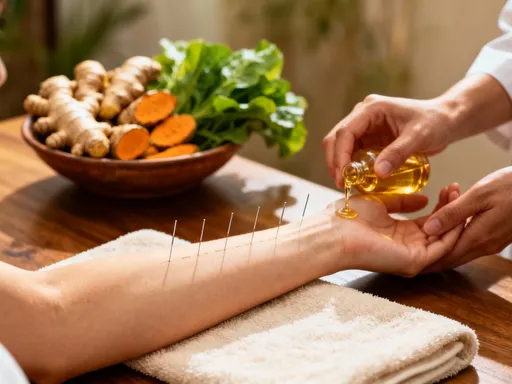
Acupuncture, a practice rooted in traditional Chinese medicine, has gained widespread acceptance in Western medicine due to its demonstrated physiological effects. It involves the insertion of fine, sterile needles into specific points on the body known as acupoints. These points are located along pathways called meridians, which are believed to regulate the flow of energy, or “qi.” While the concept of qi remains a philosophical framework, modern science explains acupuncture’s benefits through measurable biological mechanisms—particularly its influence on the nervous system, circulation, and inflammation.
One of the most well-documented effects of acupuncture is its ability to modulate pain. Research shows that needle stimulation triggers the release of endorphins and other neurotransmitters that reduce pain perception. It also influences the autonomic nervous system, shifting the body from a stressed “fight-or-flight” state to a relaxed “rest-and-digest” mode. This shift is crucial during recovery, as chronic stress can impair healing by elevating cortisol levels and suppressing immune function. By calming the nervous system, acupuncture creates a more favorable internal environment for repair.
Improved circulation is another key benefit. Acupuncture has been shown to increase blood flow to targeted areas, bringing more oxygen and nutrients to injured tissues. This enhanced perfusion supports cellular regeneration and accelerates the removal of waste products. For example, after a muscle strain, increased blood flow helps deliver amino acids and immune cells to the site of damage, promoting faster repair. When combined with a diet rich in protein and antioxidants, this process becomes even more efficient.
Acupuncture also plays a role in reducing inflammation, a natural but sometimes excessive response to injury. Chronic inflammation can delay healing and contribute to pain and stiffness. Studies have found that acupuncture can lower levels of pro-inflammatory cytokines—molecules involved in the body’s inflammatory response. This anti-inflammatory effect is particularly beneficial for conditions like osteoarthritis, tendonitis, and lower back pain. When inflammation is under control, tissues are more receptive to nutrients, and recovery progresses more smoothly.
Professionally, acupuncture is used to support recovery from a range of conditions. These include sports injuries, post-operative rehabilitation, chronic fatigue, and repetitive strain injuries. It is not a standalone cure, but a powerful adjunct therapy. For best results, it should be administered by a licensed practitioner and integrated with other evidence-based treatments, including proper nutrition. Patients who combine regular acupuncture sessions with a balanced, nutrient-dense diet often report reduced pain, improved mobility, and shorter recovery times.
Massage Therapy: More Than Just Relaxation
While many people associate massage with relaxation and stress relief, its therapeutic value in rehabilitation is substantial and well-supported by science. Therapeutic massage is not simply about feeling good—it is a clinical tool that affects the body at the cellular and systemic levels. It influences muscle tone, connective tissue health, circulation, and lymphatic function. When applied with intention and skill, massage can significantly accelerate recovery from injury, surgery, or overuse.
One of the primary benefits of massage is its effect on fascia, the connective tissue that surrounds muscles, organs, and bones. After injury or prolonged immobility, fascia can become tight, sticky, and restrictive. This contributes to pain, limited range of motion, and inefficient movement patterns. Deep tissue massage and myofascial release techniques help break down adhesions and restore elasticity to the fascia. This not only improves flexibility but also enhances the body’s ability to absorb nutrients and eliminate waste.
Lymphatic drainage is another critical function supported by massage. The lymphatic system removes excess fluid, cellular debris, and toxins from tissues. Unlike the circulatory system, it does not have a pump—movement and manual pressure are essential for its function. Massage stimulates lymph flow, reducing swelling and preventing the buildup of inflammatory byproducts. This is especially important after surgery or acute injury, where edema can delay healing. Faster clearance of metabolic waste means tissues can regenerate more efficiently.
Muscle tension and spasms are common barriers to recovery. Tight muscles restrict blood flow, limit joint movement, and increase the risk of further strain. Massage helps relax hypertonic muscles by stimulating mechanoreceptors and inhibiting overactive motor neurons. This neuromuscular reset allows for improved circulation and better nutrient delivery. When muscles are relaxed and blood flow is restored, the amino acids and micronutrients from dietary protein and vitamins can be used more effectively in tissue repair.
Regular massage sessions also improve range of motion and joint mobility. This is crucial for patients recovering from immobilization, such as after a fracture or joint replacement. By gently stretching connective tissues and reducing stiffness, massage prepares the body for physical therapy and functional movement. It also helps prevent the formation of scar tissue, which can limit long-term function if not properly managed. The combination of improved mobility and enhanced nutrient availability creates an optimal environment for healing.
It is important to distinguish therapeutic massage from general relaxation massage. While both have value, only clinical massage administered by a trained therapist should be used for rehabilitation purposes. Techniques are tailored to the individual’s condition, with attention to pressure, duration, and specific areas of focus. When integrated into a recovery plan alongside acupuncture and proper nutrition, massage becomes a powerful ally in restoring strength, function, and comfort.
Why Diet Can’t Be an Afterthought in Rehabilitation
In the journey to recovery, diet is often overlooked—treated as a background factor rather than a central player. Yet, without proper nutrition, even the most advanced therapies may yield limited results. The body cannot repair damaged tissues without adequate raw materials. Proteins supply amino acids for rebuilding muscle and connective tissue. Healthy fats support cell membrane integrity and hormone production. Carbohydrates provide the energy needed for metabolic processes involved in healing. Each macronutrient plays a distinct and essential role.
Protein is perhaps the most critical nutrient during recovery. It is the foundation of muscle, skin, tendons, and ligaments. After injury, the body’s protein needs increase to support tissue regeneration. Studies suggest that individuals recovering from surgery or trauma may require up to 1.5 to 2.0 grams of protein per kilogram of body weight daily—significantly more than the average intake. High-quality protein sources such as lean meats, fish, eggs, dairy, legumes, and plant-based proteins should be included in every meal to ensure a steady supply of amino acids.
Micronutrients are equally important. Vitamin C, for example, is essential for collagen synthesis—the main structural protein in skin, cartilage, and blood vessels. Zinc plays a role in DNA synthesis and immune function, both vital for wound healing. Magnesium supports muscle relaxation and nerve function, helping to prevent cramps and spasms. Deficiencies in these nutrients can slow recovery, even if therapy is consistent. A diet rich in colorful vegetables, fruits, nuts, seeds, and whole grains provides a broad spectrum of these essential compounds.
Poor nutrition, on the other hand, can undermine even the best rehabilitation efforts. Diets high in processed foods, added sugars, and unhealthy fats promote inflammation and oxidative stress—conditions that impair healing. They can also lead to nutrient deficiencies, weaken the immune system, and reduce energy levels. A patient may attend regular acupuncture and massage sessions, but if their diet lacks essential nutrients, the body will struggle to make use of the improved circulation and reduced tension these therapies provide.
Think of therapy as opening a door—acupuncture improves blood flow, massage clears waste, and physical therapy restores movement. But once that door is open, what happens inside depends on what’s available. Nutrition fuels the internal repair processes. Without it, the body cannot complete the job. This is why diet should be treated as a foundational support system, not an optional add-on. When therapy and nutrition work together, recovery becomes not just possible, but more efficient and complete.
Smart Dietary Combinations That Support Therapy Outcomes
Not all foods are created equal when it comes to recovery, and how they are combined can make a significant difference. Certain nutrients enhance each other’s absorption and effectiveness, creating synergistic effects that support healing. Understanding these combinations allows individuals to maximize the benefits of both therapy and nutrition. For example, pairing vitamin C-rich foods like bell peppers or citrus with iron-containing foods such as spinach or lean red meat increases iron absorption, which is crucial for oxygen transport and energy production.
Anti-inflammatory food combinations are particularly valuable. Turmeric, a spice containing the active compound curcumin, has potent anti-inflammatory properties. However, curcumin is poorly absorbed on its own. When combined with black pepper, which contains piperine, absorption increases by up to 2,000 percent. Adding a healthy fat like olive oil or avocado further enhances uptake, as curcumin is fat-soluble. This trio—turmeric, black pepper, and healthy fat—can be easily incorporated into soups, stews, or roasted vegetables to support recovery after therapy sessions.
Omega-3 fatty acids, found in fatty fish, flaxseeds, and walnuts, reduce inflammation and support brain and joint health. When consumed alongside antioxidant-rich foods like berries, dark leafy greens, or dark chocolate, their protective effects are amplified. Antioxidants neutralize free radicals produced during inflammation, preventing cellular damage. This combination not only supports tissue repair but also protects against long-term degenerative changes.
Meal timing also plays a role in optimizing recovery. Consuming a balanced meal containing protein, healthy fats, and complex carbohydrates within one to two hours after a therapy session—such as acupuncture or massage—can enhance nutrient uptake. This window is when blood flow is elevated and tissues are primed for repair. For example, a post-session meal of grilled salmon, quinoa, and steamed broccoli provides high-quality protein, omega-3s, fiber, and essential vitamins, creating an ideal environment for healing.
It’s important to emphasize consistency over quick fixes. No single “superfood” can undo the effects of an otherwise poor diet. Lasting recovery comes from daily habits—regular meals rich in whole foods, adequate hydration, and mindful eating. Supplements may be helpful in some cases, but they should not replace a balanced diet. The goal is to create a sustainable eating pattern that supports the body’s needs throughout the recovery process.
Putting It All Together: A Real-World Recovery Framework
To see how acupuncture, massage, and diet work together, consider a sample weekly plan for someone recovering from a shoulder injury. On Monday morning, the individual receives an acupuncture session focused on reducing inflammation and improving circulation to the shoulder joint. Within two hours, they eat a breakfast of scrambled eggs with spinach and tomatoes, providing protein, vitamin C, and iron. The improved blood flow from acupuncture enhances the delivery of these nutrients to the injured area.
On Tuesday, a therapeutic massage targets the neck, upper back, and shoulder muscles to release tension and improve lymphatic drainage. Afterward, they consume a smoothie made with Greek yogurt, blueberries, chia seeds, and a dash of turmeric and black pepper. This meal supports muscle repair, reduces oxidative stress, and enhances anti-inflammatory effects. The combination of manual therapy and strategic nutrition creates a favorable environment for tissue regeneration.
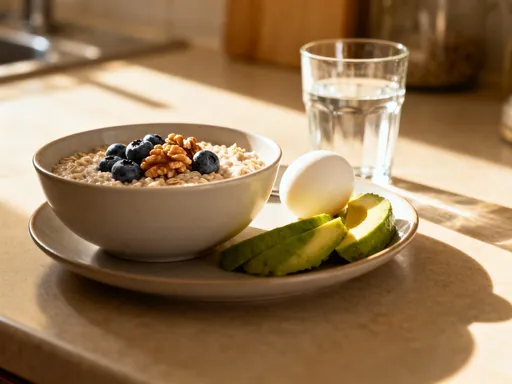
Wednesday includes a physical therapy session, preceded by a light meal of oatmeal with almond butter and banana—providing sustained energy and magnesium to support muscle function. Thursday brings another acupuncture session, followed by a dinner of grilled chicken, sweet potato, and sautéed kale—offering protein, complex carbohydrates, and vitamin K for connective tissue health. Friday includes a gentle massage to maintain mobility and prevent stiffness.
This integrated approach is not hypothetical. A 45-year-old woman recovering from rotator cuff surgery followed a similar plan under professional guidance. She attended weekly acupuncture and massage sessions while adhering to a nutrient-dense diet tailored to her needs. Compared to typical recovery timelines, she regained shoulder function six weeks earlier and reported significantly less pain throughout the process. Her case illustrates the power of combining therapies with targeted nutrition.
It is important to note that this framework is complementary, not a replacement for medical care. All interventions should be coordinated with healthcare providers, including physicians, physical therapists, and registered dietitians. Individual needs vary based on age, condition, and overall health. What works for one person may not be suitable for another. The key is personalization and professional oversight.
Common Misconceptions and When to Seek Expert Advice
Despite growing awareness, several misconceptions persist about acupuncture, massage, and nutrition in recovery. One common belief is that more acupuncture means faster healing. In reality, overuse can lead to fatigue or diminished returns. Sessions should be spaced appropriately—typically once or twice a week—to allow the body time to respond. Similarly, daily massage is not always better; excessive pressure or frequency can irritate tissues and delay healing.
Another myth is that special diets can cure all ailments. While nutrition is powerful, it is not a magic bullet. No single food or supplement can reverse serious injury or disease without proper medical treatment. Extreme diets, such as prolonged fasting or elimination of entire food groups, can lead to nutrient deficiencies and weaken the body’s ability to heal. These approaches should never be undertaken without professional guidance.
Self-prescribing treatments is another risk. Some individuals may buy acupuncture kits online or attempt deep tissue massage at home without training. This can lead to injury, infection, or worsening of symptoms. These therapies require skill, knowledge, and proper assessment. Only licensed practitioners should perform them, especially during recovery from injury or illness.
Individual needs vary widely. A recovery plan that works for a young athlete may not suit an older adult with chronic conditions. Factors such as metabolism, medication use, and underlying health issues must be considered. This is why professional advice is essential. Consulting with a healthcare team—including a physician, physical therapist, licensed acupuncturist, and registered dietitian—ensures a safe, effective, and personalized approach.
True recovery is not about quick fixes or isolated treatments. It is a personal, science-backed process that requires patience, consistency, and expert support. When acupuncture, massage, and nutrition work as a team, the body’s natural healing abilities are amplified. The result is not just faster recovery, but stronger, more resilient health in the long term. Healing is not passive—it is an active collaboration between the individual and their care team, supported by evidence and guided by wisdom.