What Your Diet Is Doing to Your Hair (And How to Fix It)
You might not realize it, but what you eat directly shapes your hair’s strength, shine, and growth. I used to think expensive shampoos were the answer—until I noticed real change after adjusting my diet. Science shows hair thrives on specific nutrients, and common dietary restrictions can quietly starve it. This isn’t about quick fixes; it’s about understanding the why behind hair health and making choices that actually work from within. The foods you consume fuel every cell in your body, and hair follicles are no exception. When essential nutrients are missing, even for a short time, the effects can surface in ways that are both visible and frustrating. The good news is that with informed, consistent choices, you can support your hair from the inside out.
The Hidden Link Between Diet and Hair Health
Hair is not just a cosmetic feature—it is a living tissue that reflects your overall health. Each strand begins deep within the scalp in a structure called the hair follicle, where rapid cell division fuels growth. This process demands a steady supply of energy and raw materials, all of which come from the nutrients in your diet. When the body lacks key vitamins or minerals, it prioritizes vital organs over non-essential functions like hair growth, often leading to thinning, breakage, or slower regrowth. While many blame genetics or stress for changes in their hair, research increasingly shows that nutritional status plays a foundational role.
The hair growth cycle consists of three phases: anagen (growth), catagen (transition), and telogen (resting). During the anagen phase, which can last two to seven years, follicles are highly active and require consistent nourishment. Disruptions in nutrient intake—even temporary ones—can shorten this phase, pushing more hairs into the resting stage and eventually increasing shedding. This explains why someone might notice more hair loss months after starting a restrictive diet, even if they felt fine at the time. The delay between deficiency and visible symptoms often masks the true cause.
Another common misconception is that topical products alone can reverse internal imbalances. While shampoos and serums may improve texture or reduce breakage, they cannot compensate for poor nutrition. Keratin, the primary protein in hair, is built from amino acids derived from dietary protein. Without sufficient intake, the body cannot produce enough keratin to maintain strong, resilient strands. Similarly, antioxidants and fats that protect the scalp and support oil production depend on what you eat. The science is clear: long-term hair vitality starts on your plate, not in your bathroom cabinet.
Why Modern Diets Often Fail Hair Needs
Today’s popular eating patterns, while often well-intentioned, can inadvertently create nutrient gaps that affect hair health. Plant-based diets, for example, are celebrated for their heart benefits and environmental sustainability, but they may fall short in certain nutrients critical for hair. Iron from plant sources (non-heme iron) is less easily absorbed than iron from animal products, and without careful planning, levels can dip below optimal ranges. Similarly, vitamin B12, essential for red blood cell formation and oxygen delivery to follicles, is naturally found only in animal-derived foods, making deficiency a real risk for vegans and some vegetarians.
Low-protein diets are another growing concern. With increasing emphasis on reducing meat consumption, some individuals unintentionally consume too little protein. Since hair is made mostly of protein, inadequate intake can lead to brittle, weak strands that break easily. The body may also slow down hair production to conserve protein for more critical functions. This is especially true during rapid weight loss or extreme calorie restriction, where the body enters a conservation mode that includes reducing energy spent on hair growth.
Gluten-free diets, often adopted for digestive comfort or medical reasons like celiac disease, can also pose challenges. Many fortified grains that provide B vitamins, iron, and zinc are eliminated, and unless replaced with nutrient-dense alternatives, deficiencies may develop. Additionally, some gluten-free processed foods are low in protein and fiber, offering little nutritional value. Calorie-restricted plans, whether for weight management or other goals, often limit overall food volume, making it harder to meet daily nutrient needs. Even seemingly healthy trends like juice cleanses or prolonged intermittent fasting can deprive the body of essential building blocks, with hair often being the first to show signs of distress.
The Key Nutrients That Build Stronger Hair
Several nutrients have been scientifically linked to healthy hair structure and growth. Among the most important is protein, which supplies the amino acids needed to build keratin. Without adequate protein, hair becomes thin, weak, and slow to grow. Eggs, dairy, lean meats, legumes, and quinoa are excellent sources that support consistent keratin production. Even minor protein deficiencies, if sustained, can disrupt the hair cycle and increase shedding.
Iron is another critical player. It helps red blood cells carry oxygen to the scalp and follicles. Low iron stores, particularly low ferritin levels, are strongly associated with hair thinning, especially in women. While red meat is a rich source, plant-based eaters can enhance iron absorption by pairing foods like lentils, spinach, or tofu with vitamin C-rich options such as oranges, bell peppers, or strawberries. This combination converts non-heme iron into a more absorbable form.
Omega-3 fatty acids, found in fatty fish, flaxseeds, chia seeds, and walnuts, contribute to scalp health by supporting natural oil production and reducing inflammation. A dry, flaky scalp or dull hair may signal a lack of these essential fats. Vitamin D, increasingly recognized for its role in follicle cycling, also influences hair growth. Limited sun exposure and few dietary sources make deficiency common, particularly in colder climates or among those with limited outdoor activity.
Zinc supports cell reproduction and protein synthesis, both vital for hair renewal. Too little zinc can lead to increased shedding, while excessive intake can have the same effect, highlighting the importance of balance. Biotin, a B-vitamin often marketed for hair support, plays a role in keratin production. While severe deficiency is rare, marginal insufficiency may affect hair texture and strength. It’s found in eggs, nuts, seeds, and certain vegetables. No single nutrient works in isolation—hair thrives on synergy, where each component supports the function of others.
Spotting the Signs of Nutrient-Related Hair Changes
Recognizing early signs of diet-related hair issues can help prevent more significant loss. One of the most common indicators is increased shedding—finding more hair on your brush, pillow, or in the shower drain than usual. While losing 50 to 100 strands a day is normal, a noticeable uptick over several weeks may signal an underlying deficiency. Unlike sudden hair loss due to illness or stress, nutrient-related shedding tends to develop gradually, making it easy to overlook until the change becomes visible.
Changes in texture are another clue. Hair that once felt thick and resilient may become finer, drier, or more prone to breakage. Strands may lose their natural shine, appearing flat or lifeless. Growth may slow, with hair taking longer to reach desired lengths or seeming to plateau. Some women report that their ponytail feels noticeably thinner, even if they haven’t lost large clumps of hair. These subtle shifts often reflect internal imbalances rather than external damage.
Because the hair growth cycle spans months, symptoms may not appear until two to three months after a nutritional shortfall begins. This delay can make it difficult to connect the dots between a dietary change and hair changes. For example, someone who eliminated red meat six months ago may only now notice increased shedding, not realizing the connection. Similarly, rapid weight loss or a shift to a highly restrictive eating pattern may have consequences that emerge long after the initial change. Paying attention to overall energy levels, skin health, and nail strength can provide additional clues, as these tissues are also sensitive to nutrient status.
It’s important to distinguish between normal hair cycling and concerning patterns. Seasonal shedding, particularly in the fall, is common and usually resolves on its own. However, persistent thinning, widening part lines, or visible scalp where it wasn’t before warrants closer attention. While diet is a key factor, other health conditions such as thyroid imbalances, hormonal changes, or autoimmune disorders can also affect hair. Being aware of the signs allows for timely action, whether through dietary adjustments or professional consultation.
Smart Swaps for Restricted Diets
For those following specific dietary patterns, making strategic food choices can help maintain hair health without compromising personal or ethical values. Vegans and vegetarians can boost iron intake by incorporating lentils, chickpeas, fortified cereals, and dark leafy greens into meals. Pairing these with vitamin C-rich foods—such as citrus fruits, tomatoes, or broccoli—enhances iron absorption significantly. For vitamin B12, fortified plant milks, nutritional yeast, and breakfast cereals offer reliable sources, helping prevent deficiency-related hair thinning.
Omega-3 fatty acids are typically associated with fish, but plant-based eaters can turn to flaxseeds, chia seeds, hemp seeds, and walnuts. Ground flaxseed added to oatmeal or smoothies provides both omega-3s and fiber. Algal oil, derived from algae, is another option for those seeking a direct DHA source without fish. For individuals avoiding dairy, calcium-fortified plant milks and yogurts, along with leafy greens like kale and bok choy, help maintain bone and overall health, indirectly supporting hair by ensuring balanced nutrition.
Low-meat eaters can still meet protein needs with eggs, Greek yogurt, cottage cheese, tofu, tempeh, edamame, and legume-based dishes. Combining grains with legumes—such as rice and beans or hummus with whole wheat pita—creates complete proteins that provide all essential amino acids. Snacks like mixed nuts, peanut butter on whole grain toast, or a hard-boiled egg offer convenient, nutrient-dense options that support hair structure. Even small additions, like sprinkling pumpkin seeds on salads, can boost zinc intake, a mineral vital for follicle function.
The concept of food synergy—how certain nutrients enhance the absorption or effectiveness of others—is especially useful. Vitamin D aids calcium absorption, while fat-soluble vitamins like A, D, E, and K require dietary fats for proper uptake. Including a source of healthy fat—such as avocado, olive oil, or nuts—in meals helps the body utilize nutrients more effectively. These smart swaps are not about perfection but about consistency and awareness, ensuring that dietary choices support, rather than hinder, hair vitality.
Building a Hair-Friendly Plate (Without Obsession)
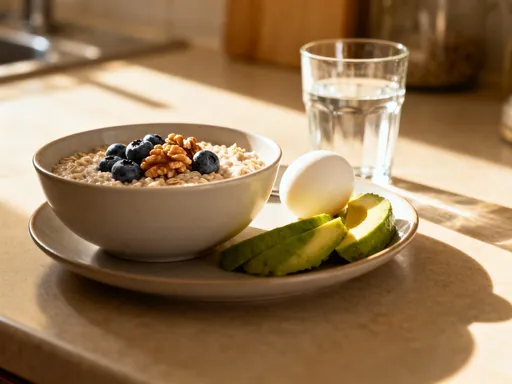
Supporting hair health doesn’t require extreme diets or obsessive tracking. Instead, a balanced, varied eating pattern built on whole foods offers the most sustainable benefits. Focus on incorporating a mix of protein sources, colorful vegetables, whole grains, healthy fats, and fruits throughout the day. A breakfast of scrambled eggs with spinach and tomatoes, for example, delivers protein, iron, and vitamin C. Lunch with a quinoa salad, chickpeas, roasted vegetables, and a lemon-olive oil dressing combines fiber, plant-based protein, and absorption-enhancing nutrients.
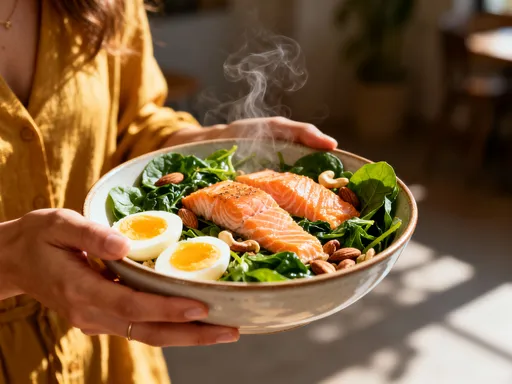
Dinner might include grilled salmon or tofu, steamed broccoli, and sweet potato—offering omega-3s, zinc, and complex carbohydrates. Snacks like Greek yogurt with berries, a handful of almonds, or apple slices with peanut butter provide sustained energy and key nutrients without excess sugar or processing. The goal is not to eat perfectly every day but to create a pattern of consistent nourishment that supports long-term hair health.
Avoiding restrictive “hair diets” is crucial. Eliminating entire food groups without medical necessity can do more harm than good. Instead of focusing on single “superfoods,” emphasize variety and balance. The body thrives on diversity, and so does hair. Meals should be enjoyable and realistic, fitting into daily life without causing stress. Emotional well-being and routine also play a role—chronic stress and poor sleep can affect hormone balance and nutrient absorption, indirectly influencing hair.
Hydration is another often-overlooked factor. Water supports circulation and nutrient delivery to the scalp, helping maintain a healthy environment for growth. While no single meal will transform hair overnight, the cumulative effect of daily choices creates lasting change. Over time, a diet rich in whole, nutrient-dense foods can lead to stronger, shinier, and more resilient hair—not through magic, but through consistent, science-aligned habits.
When to Seek Professional Guidance
While diet plays a significant role in hair health, it is not the only factor. Persistent or sudden changes in hair texture, density, or growth should not be ignored. If shedding continues for more than a few months, or if bald patches develop, it may indicate an underlying condition such as thyroid dysfunction, hormonal imbalances, or autoimmune disorders like alopecia areata. In these cases, nutrition alone may not be enough to reverse the issue.
Before making major dietary changes or adding supplements, it’s wise to consult a healthcare provider or registered dietitian. Blood tests can identify deficiencies in iron, vitamin D, zinc, or other key nutrients, allowing for targeted interventions. A professional can also help interpret results in context, as some markers—like ferritin—have optimal ranges for hair health that differ from general clinical standards.
Registered dietitians can provide personalized guidance, especially for those with dietary restrictions, digestive issues, or complex health needs. They can help design a balanced eating plan that meets nutritional goals without unnecessary supplementation. It’s important to remember that more is not always better—excessive intake of certain nutrients, such as selenium or vitamin A, can actually contribute to hair loss.
Nutrition is a powerful tool, but it works best as part of a holistic approach. Medical evaluation, stress management, and gentle hair care practices all contribute to overall well-being and hair vitality. By combining informed choices with professional support, women can take meaningful steps toward healthier hair. The journey is not about perfection, but about progress—small, consistent actions that honor both body and self. Over time, these choices can lead to results that are not only visible but deeply empowering.